 by Nayeghar
The Mumbai Metropolitan Region (MMR) is one of the most dynamic real estate markets in India. Every year thousands of homebuyers and investors face the same question:
Should you invest in Mumbai or Navi Mumbai property?
Both cities offer strong investment potential but they differ in terms of price, infrastructure, lifestyle, appreciation potential, and future growth.
Mumbai is India’s financial capital and one of the most expensive property markets in Asia. On the other hand, Navi Mumbai is a planned satellite city designed to reduce congestion and provide modern infrastructure.
With major infrastructure projects like the Navi Mumbai International Airport and the Mumbai Trans Harbour Link, the real estate landscape of the region is changing rapidly.
If you are planning to invest in property in 2026, this detailed guide will help you understand where the smarter investment opportunity lies.
Mumbai Real Estate Market Overview



4
Mumbai is widely considered the financial and commercial heart of India. It is home to major business districts, multinational companies, and the headquarters of many financial institutions.
Major employment hubs include:
- Bandra Kurla Complex
- Lower Parel
- Andheri MIDC
Because of strong job opportunities, the demand for residential property remains extremely high.
Property Prices in Mumbai
Average property rates in Mumbai vary depending on the locality.
Typical price range:
| Area | Avg Price per sq ft |
|---|---|
| South Mumbai | ₹50,000 – ₹1,20,000 |
| Bandra / Juhu | ₹40,000 – ₹70,000 |
| Powai | ₹28,000 – ₹45,000 |
| Andheri | ₹25,000 – ₹40,000 |
| Chembur | ₹20,000 – ₹35,000 |
Even a small 1 BHK apartment in Mumbai can cost ₹1.5 crore or more in many prime areas.
Advantages of Investing in Mumbai
- Strong rental demand
- Limited land supply
- Premium location value
- High liquidity when selling property
- Strong long-term stability
Challenges in Mumbai
- Extremely high property prices
- Small apartment sizes
- Traffic congestion
- Limited new land development
Because of these reasons, many investors are now exploring Navi Mumbai.
Navi Mumbai Real Estate Market Overview


4
Navi Mumbai was developed by City and Industrial Development Corporation as a planned city with wide roads, modern infrastructure, and organized residential sectors.
Over the past decade, Navi Mumbai has become one of the fastest growing real estate markets in India.
Property Prices in Navi Mumbai
Compared to Mumbai, Navi Mumbai is significantly more affordable.
Typical price range:
| Area | Avg Price per sq ft |
|---|---|
| Vashi | ₹18,000 – ₹25,000 |
| Seawoods | ₹17,000 – ₹24,000 |
| Kharghar | ₹12,000 – ₹18,000 |
| Panvel | ₹8,000 – ₹13,000 |
| Ulwe | ₹9,000 – ₹14,000 |
| Taloja | ₹6,000 – ₹10,000 |
Because of these prices, many first-time buyers prefer Navi Mumbai.
Advantages of Navi Mumbai
- Affordable housing options
- Planned infrastructure
- Larger apartments
- Future infrastructure projects
- Higher appreciation potential
Infrastructure That Will Transform Navi Mumbai

4
Several mega projects are driving the growth of Navi Mumbai real estate.
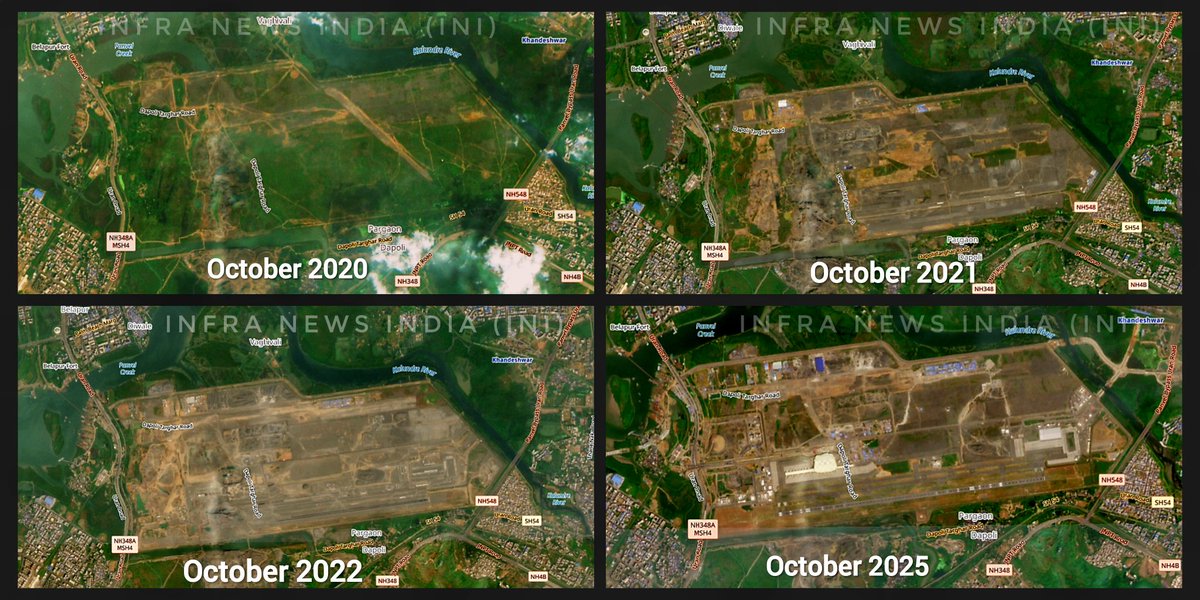
1. Navi Mumbai International Airport
The Navi Mumbai International Airport is one of the most important infrastructure projects in Maharashtra.
Once operational, it will:
- Boost job creation
- Increase demand for residential property
- Drive commercial development
Areas like Ulwe, Panvel, and Kharghar are expected to benefit the most.
2. Mumbai Trans Harbour Link
The Mumbai Trans Harbour Link reduces travel time between Mumbai and Navi Mumbai drastically.
Earlier travel time: 90 minutes
After bridge: 20 minutes
This project is expected to dramatically increase property demand in Navi Mumbai.
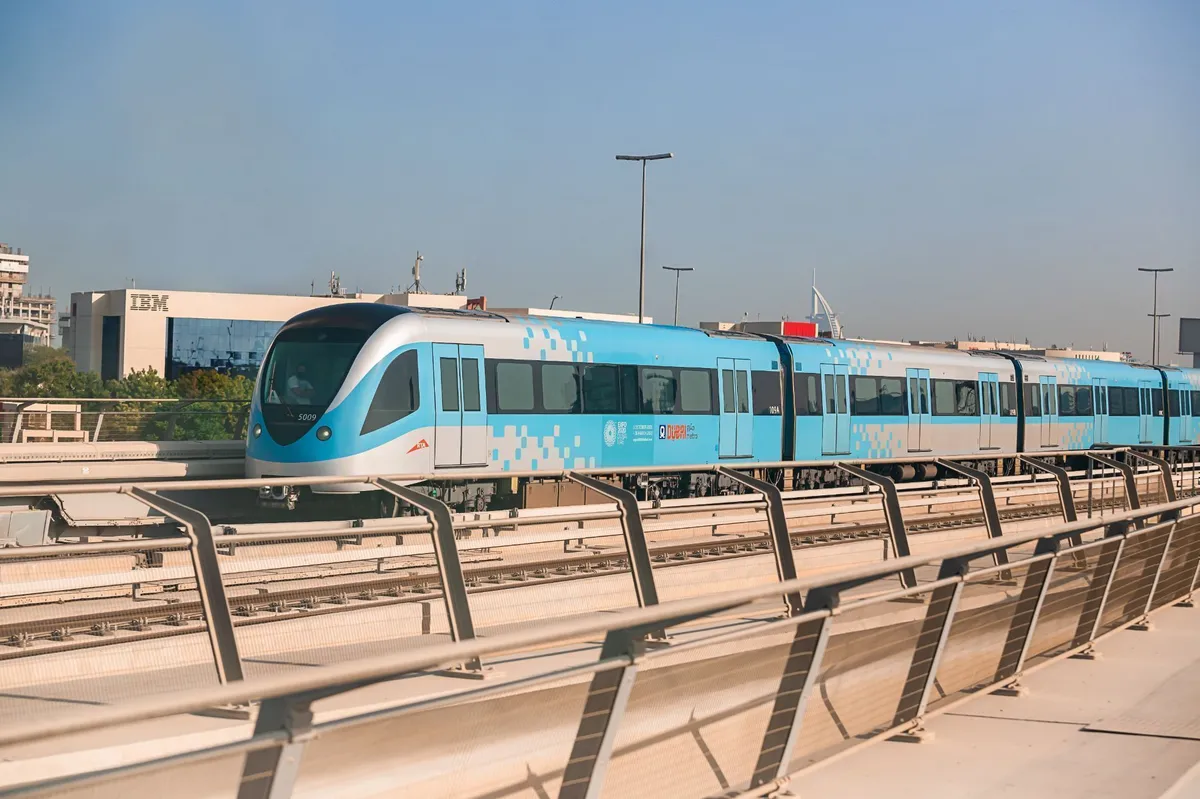
3. Navi Mumbai Metro
The Navi Mumbai Metro improves connectivity between major residential nodes.
Metro connectivity often leads to 10-25% property appreciation in surrounding areas.
Rental Yield Comparison
Rental income is an important factor for investors.
| City | Rental Yield |
|---|---|
| Mumbai | 2 – 3% |
| Navi Mumbai | 3 – 5% |
Although Mumbai properties are expensive, rental yields remain relatively low.
Because property prices are lower in Navi Mumbai, investors often get better rental returns.
Example:
Mumbai apartment price: ₹2.5 Cr
Monthly rent: ₹50,000
Rental yield ≈ 2.4%
Navi Mumbai apartment price: ₹80 Lakh
Monthly rent: ₹25,000
Rental yield ≈ 3.7%
Capital Appreciation Potential
Mumbai
Mumbai property appreciates steadily because of limited land availability.
Typical growth rate: 5–7% annually
Luxury properties in prime areas often perform even better.
Navi Mumbai
Navi Mumbai has stronger future growth potential.
Reasons include:
- New airport
- Metro connectivity
- Corporate hubs
- Affordable entry price
Some areas like Kharghar and Ulwe have already seen 20–30% appreciation in recent years.
Best Areas to Invest in Mumbai
1. Bandra
Bandra is one of the most premium residential areas.
Why invest:
- Strong rental demand
- Close to business hubs
- Luxury property market
2. Powai
Powai offers a modern township lifestyle.
Highlights:
- IT companies nearby
- Premium housing projects
- High rental demand
3. Chembur
Chembur has seen strong redevelopment activity.
Advantages:
- Central location
- Good connectivity
- Growing residential demand
Best Areas to Invest in Navi Mumbai
1. Kharghar
Kharghar is one of the most popular investment destinations.
Reasons:
- Close to upcoming airport
- Good schools and colleges
- Metro connectivity
2. Ulwe
Ulwe is considered an airport-driven investment zone.
Property prices here may rise significantly after airport completion.
3. Panvel
Panvel is becoming a major residential hub.
Advantages:
- Railway junction
- Future airport proximity
- Affordable property prices
Lifestyle Comparison
Mumbai Lifestyle
Advantages:
- World-class restaurants
- Luxury shopping
- Entertainment options
- Corporate job opportunities
But the downsides include:
- Traffic congestion
- Smaller apartments
- High living cost
Navi Mumbai Lifestyle
Advantages:
- Wide roads
- Less congestion
- Green spaces
- Larger homes
Navi Mumbai is often considered a better place for family living.
Who Should Invest in Mumbai?
You should consider Mumbai property if:
- Budget is above ₹2–3 crore
- Looking for premium real estate
- Want stable investment
- Need strong rental demand
Who Should Invest in Navi Mumbai?
Navi Mumbai is ideal if:
- Budget is ₹40 lakh – ₹1.5 crore
- First-time home buyer
- Long-term investor
- Looking for future appreciation
Future Outlook (2026–2030)
Real estate experts believe that MMR will remain India’s strongest property market.
Expected trends:
- Navi Mumbai prices may rise 25–40% in the next 5 years due to airport growth.
- Mumbai luxury housing will continue to grow because of wealthy buyers.
- Infrastructure projects will reshape property demand.
Final Verdict – Mumbai vs Navi Mumbai
| Factor | Winner |
|---|---|
| Affordability | Navi Mumbai |
| Rental Yield | Navi Mumbai |
| Luxury Property | Mumbai |
| Future Growth | Navi Mumbai |
| Investment Stability | Mumbai |
Smart Investment Strategy
Many smart investors follow this strategy:
- Buy one premium property in Mumbai
- Buy one growth property in Navi Mumbai
This balances stability and appreciation potential.
Conclusion
Choosing between Mumbai and Navi Mumbai property depends largely on budget, investment goals, and time horizon.
If you want premium real estate and stable long-term value, Mumbai remains a top choice.
However, if you are looking for high growth potential, better affordability, and future infrastructure benefits, Navi Mumbai may offer better investment opportunities in 2026.
With projects like the Navi Mumbai International Airport and Mumbai Trans Harbour Link, Navi Mumbai is likely to become one of India’s most important real estate destinations in the coming years.
For investors entering the market today, this could be the perfect time to secure property before prices rise further.