

brooksdevito65
About brooksdevito65
Private Plane Flights: A Comprehensive Research on Developments, Benefits, And Challenges
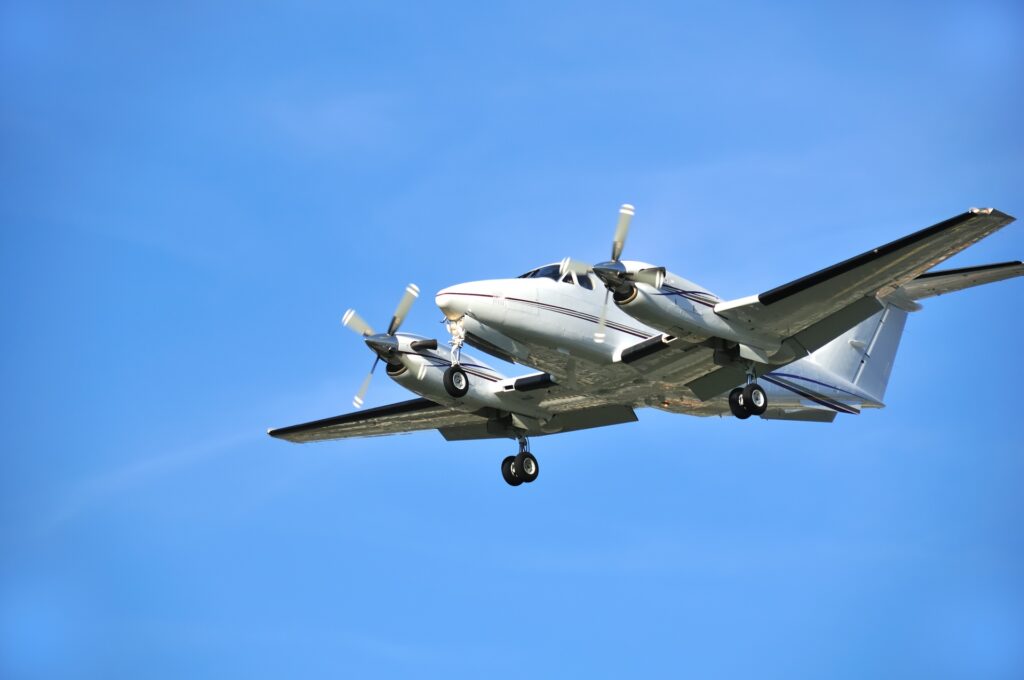
Private plane flights, as soon as a luxury reserved for the elite, have develop into increasingly accessible to a broader vary of travelers in recent years. With the advent of fractional ownership, jet cards, and on-demand charters, private aviation is no longer solely the area of company executives and celebrities. This examine aims to explore the current landscape of private plane flights, highlighting developments, advantages, challenges, and the way forward for this evolving business.
1. Introduction
The private aviation sector has witnessed vital progress over the previous decade, pushed by various elements corresponding to advancements in know-how, adjustments in shopper conduct, and an increasing demand for customized journey experiences. Based on the National Enterprise Aviation Association (NBAA), the number of private flights has steadily elevated, reflecting a rising acceptance of private air travel as a viable various to industrial airlines. This report delves into the intricacies of private plane flights, inspecting the motivations behind their use, the benefits they offer, and the challenges they face.
2. Developments in Private Aviation
2.1 Growth of On-Demand Charter Services
One of the most notable trends in private aviation is the rise of on-demand charter providers. Companies like NetJets, Wheels Up, and VistaJet have capitalized on the demand for versatile travel choices, permitting prospects to ebook flights as needed with out the commitment of possession. This shift has made private flying extra accessible, appealing to a wider demographic that includes leisure travelers and small business owners.
2.2 Improve in Fractional Possession
Fractional ownership has emerged as a preferred alternative to full ownership, the place multiple people or entities share the costs and usage of a private aircraft. This mannequin allows owners to get pleasure from the advantages of private flying without the financial burden of sustaining a whole aircraft. The fractional possession market has expanded, with more companies providing tailor-made packages to suit various needs.
2.Three Technological Advancements
Technological developments have played a crucial role in enhancing the private aviation expertise. Improvements such as mobile apps for booking, actual-time flight monitoring, and improved security measures have streamlined operations and made private flying more consumer-pleasant. Moreover, the introduction of more gasoline-efficient aircraft has contributed to a more sustainable method to private aviation.
3. Benefits of Private Plane Flights
3.1 Time Effectivity
One of the most important benefits of private plane flights is time efficiency. Travelers can bypass lengthy security lines, avoid layovers, and fly on to their vacation spot, considerably decreasing travel time. For busy executives, this time savings translates into elevated productiveness, permitting them to maximise their schedules.
3.2 Flexibility and Convenience
Private aviation affords unparalleled flexibility. Passengers can choose their departure times, alter flight plans on quick discover, and access hundreds of airports that will not be served by business airlines. This convenience is especially useful for these traveling to remote places or for last-minute enterprise meetings.
3.Three Enhanced Consolation and Privacy
Private planes present a stage of consolation and privacy that business flights can not match. Passengers can get pleasure from spacious cabins, customized providers, and the flexibility to conduct conferences or relax without interruptions. This atmosphere is conducive to both enterprise and leisure travel, allowing for a extra satisfying expertise.
3.4 Safety and Well being Considerations
Within the wake of the COVID-19 pandemic, safety and health have change into paramount issues for travelers. Private aviation provides a managed environment, minimizing publicity to massive crowds and decreasing the chance of infection. Many private jet operators have implemented rigorous well being protocols, further enhancing passenger confidence in the safety of private flying.
4. Challenges Facing the Private Aviation Trade
Regardless of its many advantages, the private aviation sector faces several challenges that could impression its growth and sustainability.
4.1 Environmental Considerations
As consciousness of climate change grows, the environmental impact of private aviation has come below scrutiny. Private jets are often criticized for their carbon footprint, resulting in calls for more sustainable practices inside the industry. Corporations are exploring choices akin to sustainable aviation fuels (SAFs) and carbon offset programs to address these concerns.
4.2 Regulatory Hurdles
The private aviation trade is subject to a fancy web of rules that may range significantly by nation and region. Navigating this regulatory panorama could be difficult for operators and passengers alike. Compliance with safety and operational requirements is crucial, but it may also result in increased costs and operational delays.
4.Three Financial Fluctuations
The private aviation market is sensitive to economic fluctuations. During economic downturns, discretionary spending on luxurious providers, together with private flights, tends to decline. Conversely, durations of financial progress can result in elevated demand. The industry’s reliance on financial circumstances makes it vulnerable to external elements that can affect journey conduct.
5. The future of Private Plane Flights
Trying ahead, the future of private aviation seems promising, albeit with some caveats. The business is prone to proceed evolving, pushed by technological developments and changing consumer preferences. Key developments to watch embrace:
5.1 Emphasis on Sustainability
As environmental issues turn out to be increasingly distinguished, the private aviation sector might want to prioritize sustainability. This may occasionally contain investing in greener technologies, adopting extra efficient operational practices, and exploring alternative fuels. Corporations that efficiently combine sustainability into their enterprise fashions are probably to realize a competitive edge.
5.2 Progress of City Air Mobility
The concept of urban air mobility (UAM) is gaining traction, with the potential to revolutionize transportation in densely populated areas. The event of electric vertical takeoff and touchdown (eVTOL) aircraft may pave the way for new forms of private air travel, providing fast and environment friendly transportation inside urban environments.
5.3 Enhanced Customer Experience
The demand for personalized journey experiences will continue to form the private aviation industry. Operators are likely to put money into expertise and providers that improve the shopper experience, from in-flight amenities to seamless booking processes. Delivering exceptional service will likely be crucial in attracting and retaining clients.
6. Conclusion
Private plane flights have transformed from a luxurious for the few to an more and more well-liked choice for a various range of travelers. While the trade faces challenges, together with environmental considerations and financial fluctuations, the advantages of private aviation—such as time effectivity, flexibility, and enhanced comfort—remain compelling. As the sector continues to evolve, embracing sustainability and technological developments will likely be key to its future success. This research underscores the importance of understanding the dynamics of private aviation, as it performs a crucial role in shaping the future of journey.
No listing found.